
 |  |
As businesses scale and new technologies emerge, the systems supporting your operations must keep up—or risk becoming liabilities.
“A future-proof IT infrastructure scales to meet growing demands, adapts to new technologies, and is resilient enough to weather disruptions. The stakes are high: outdated systems can drag down productivity, inflate costs, and leave your organization vulnerable to threats,” said John Unger, President of Vaultas.
So, how can you ensure your IT infrastructure evolves alongside your business?
In this blog post, we’ll discuss:
- Why you need to keep the future of your IT infrastructure in mind
- The top 6 ways to future-proof your IT infrastructure
- How working with Vaultas can help you prepare for the future
Why You Need to Keep the Future of Your IT Infrastructure Top of Mind
Your IT infrastructure is the backbone of your organization’s ability to adapt, compete, and thrive in an ever-changing business landscape. Without a clear understanding of its structure and history, any changes you make could result in costly downtime or operational chaos.
Plus, your IT infrastructure strategy must serve your business strategy—not the other way around. By mapping business processes to IT systems, you can anticipate how future changes will impact workflows and proactively adjust to align with evolving goals.
Future-proofing is also about creating a flexible, scalable foundation that evolves alongside your business. Build a roadmap that is realistic, actionable, and adaptable. This ensures your IT investments pay off in the long run without causing unforeseen disruptions.
Top 6 Ways to Future-Proof Your IT Infrastructure
Here are just a few of the most effective ways to plan for the future for your business and your IT infrastructure.
1. Prioritize Scalability
Your business isn’t static, and your IT systems shouldn’t be either. Whether you’re managing growing customer demands, onboarding new applications, or increasing storage for expanding data volumes, scalability is essential for maintaining seamless operations.
Scalable infrastructure adapts to business growth without requiring a complete overhaul, saving time and resources while ensuring your systems remain efficient and effective.
You can:
- Embrace virtualization and the cloud: Virtual machines (VMs) and containers allow you to make the most of your resources, while cloud platforms provide on-demand scalability to support fluctuating workloads.
- Strengthen your network infrastructure: High-performance equipment, such as firewalls, form the foundation, while advanced techniques like software-defined networking (SDN) ensure your network stays agile and future-ready.
- Build for scalability and availability: Implement load balancers and fault-tolerant architectures to distribute workloads.
2. Automate Routine Tasks
Automation helps streamline manual tasks that are often error-prone. This also reduces the burden on your IT team and freeing up their time for more strategic initiatives.
Adopt Infrastructure as Code (IaC)
Use code to manage and provision your IT infrastructure, improving transparency, simplifying disaster recovery, and enhancing testing processes.
Implement CI/CD Pipelines
Automate code integration, testing, and deployment with Continuous Integration and Continuous Deployment (CI/CD) tools like CircleCI.
Improve Configuration Management
Maintain consistent infrastructure configurations with automated tools, enabling reliable deployments, simplified large-scale management, and better change tracking.
Implement Monitoring and Logging
Use monitoring tools to gain full visibility into infrastructure performance. Proactively detect and resolve issues by analyzing logs from servers, networks, and applications in both on-premises and cloud environments.
|
Learn more about how you can build a resilient IT ecosystem: |
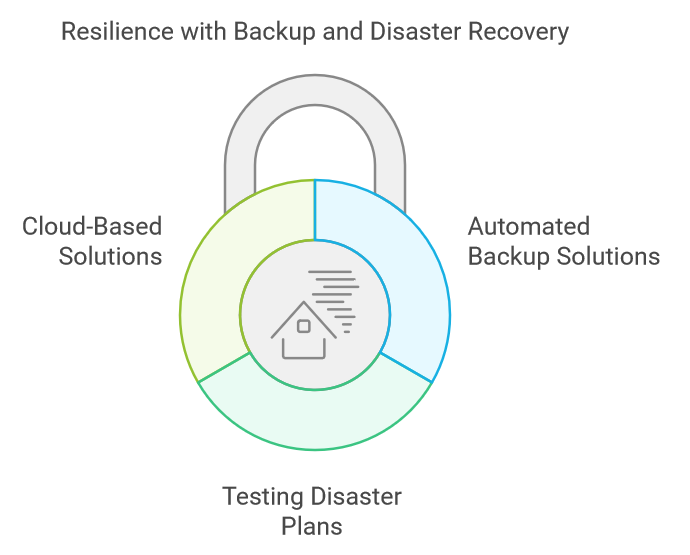
3. Build Resilience with Backup and Disaster Recovery
No business is immune to unexpected disruptions—whether it’s a cyberattack, natural disaster, or technical failure. Without a reliable backup and disaster recovery plan, your organization risks losing critical data, prolonged downtime, and reputational damage.
Future-proofing your IT infrastructure requires robust strategies to recover data quickly and minimize operational interruptions.
These can include:
- Automated backup solutions that store data in geographically diverse locations.
- Consistent testing of disaster recovery plans to identify gaps and ensure a swift response during emergencies.
- Incorporating cloud-based backup solutions to improve recovery speed and reliability.
4. Strengthen Your Team’s Expertise
The rapid pace of technological change demands a workforce that can adapt and excel. As you adopt new IT systems and tools, ensuring your team has the knowledge to manage and optimize them is critical.
Skills gaps can lead to delays, and missed opportunities for innovation. A well-trained team is your most valuable asset in navigating the complexities of modern IT infrastructure.
Provide ongoing training in emerging technologies like cloud computing, hybrid IT, and security best practices. Establish a FinOps team to monitor cloud usage and costs, ensuring financial efficiency while empowering your team to manage resources effectively.
5. Regularly Optimize and Update Infrastructure
Outdated IT infrastructure can hurt your productivity, increase costs, and leave your business vulnerable to security risks. Regularly reviewing and optimizing your systems ensures they remain aligned with your evolving business needs. It also provides opportunities to integrate the latest technologies, reduce inefficiencies, and enhance performance.
Schedule routine infrastructure assessments to identify areas for improvement. Consolidate underutilized resources, implement cost-saving measures, and ensure software and hardware updates are current.
6. Integrate Hybrid IT Solutions
A hybrid IT approach combines the best of both on-premises and cloud environments, offering flexibility, scalability, and resilience. By integrating hybrid IT solutions, you can meet current demands while remaining agile enough to adopt future innovations. This balance ensures you’re prepared for both immediate operational needs and long-term business growth.
Partner with a trusted provider like Vaultas to design and implement a hybrid IT strategy tailored to your organization. Join the 26% of IT professionals already leveraging solutions like edge computing (as well as on-ramps, and colocation) to build a robust and adaptable IT ecosystem.
Prepare Your IT Infrastructure for the Future—Backed By the Experts
With 40+ years of expertise and a comprehensive technology ecosystem, we help businesses like yours build scalable, resilient, and future-ready IT foundations.
Let us show you how to adapt to emerging technologies, reduce inefficiencies, and align your IT with your business goals.
Ready to get started?